The AI landscape is shifting rapidly. According to Gartner, over 70% of enterprise generative AI initiatives will require structured retrieval pipelines by 2026 to mitigate hallucination and compliance risks. This isn’t just a trend—it’s a fundamental restructuring of how businesses deploy AI.
Generic ChatGPT wrappers had their moment. But enterprises are discovering a hard truth: general-purpose AI doesn’t cut it when accuracy, compliance, and domain expertise matter.
What Is RAG and Why Does Gartner Care?
Retrieval-Augmented Generation (RAG) combines the creative power of large language models with real-time access to your actual business data. Instead of relying on an LLM’s frozen training data from months ago, RAG systems:
- Retrieve relevant documents from your knowledge base
- Augment the prompt with this fresh context
- Generate accurate, source-grounded responses
The result? AI that knows your business, cites its sources, and doesn’t hallucinate regulatory requirements from 2019.
The 2026 RAG Reality: What’s Actually Changed
Hybrid Retrieval Is Now the Standard
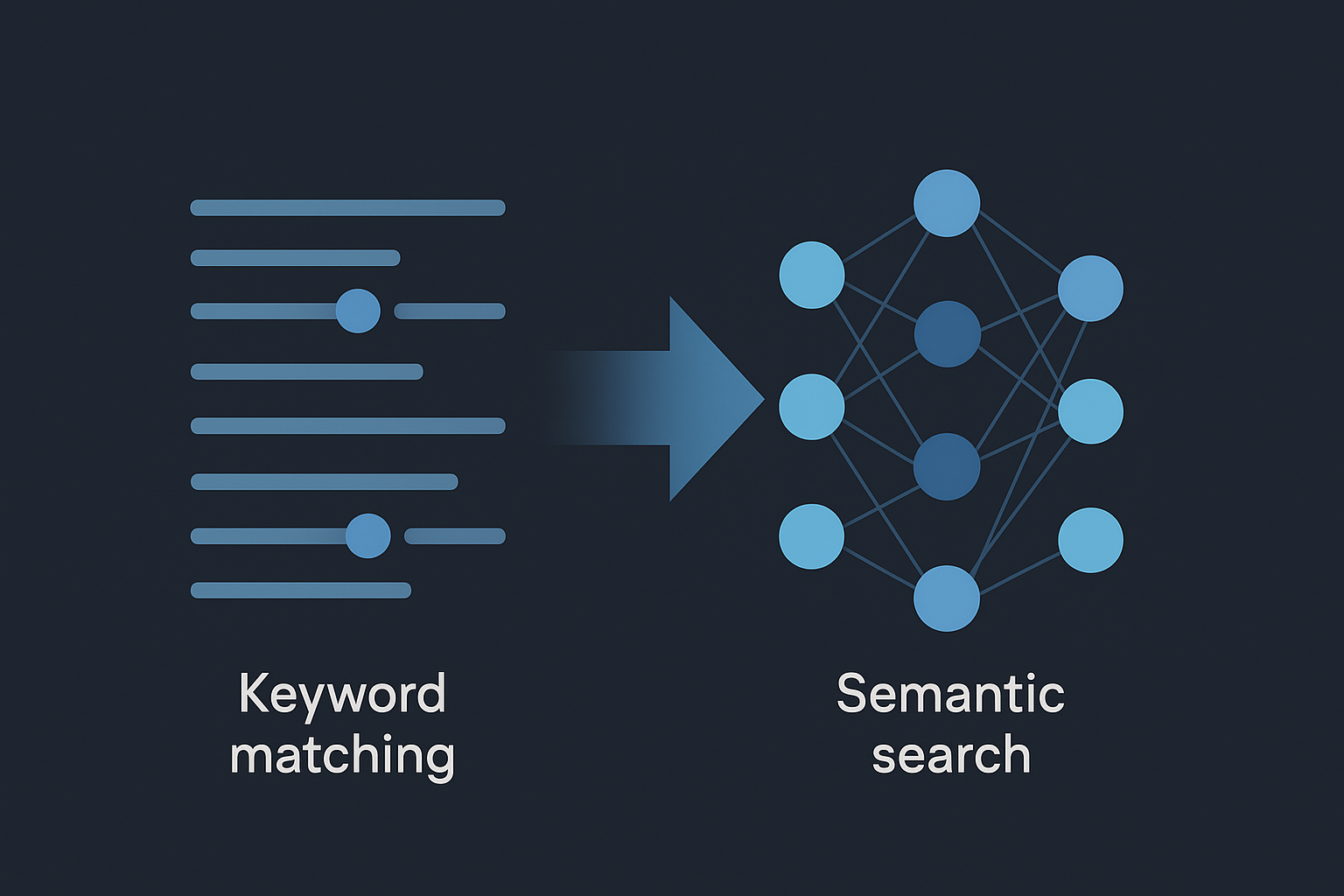
Early RAG systems relied purely on vector similarity search. You’d embed your documents, embed the query, and find the closest matches. Simple and elegant—but flawed.
The problem? Semantic search misses exact matches. When a user asks about “Regulation 2024/1689” or product code “SKU-X7291”, pure vector search might return conceptually similar but wrong documents.
Hybrid retrieval combines:
- Semantic search (neural embeddings for meaning)
- Keyword search (BM25/Elasticsearch for exact matches)
- Cross-encoder reranking (for precision)
Enterprise deployments using hybrid architectures report 20-40% improvements in retrieval accuracy, especially in legal, financial, and technical domains.
Real-Time Data Is No Longer Optional
One of the biggest pain points in early RAG deployments was data staleness. Your knowledge base gets indexed once, and within weeks it’s outdated.
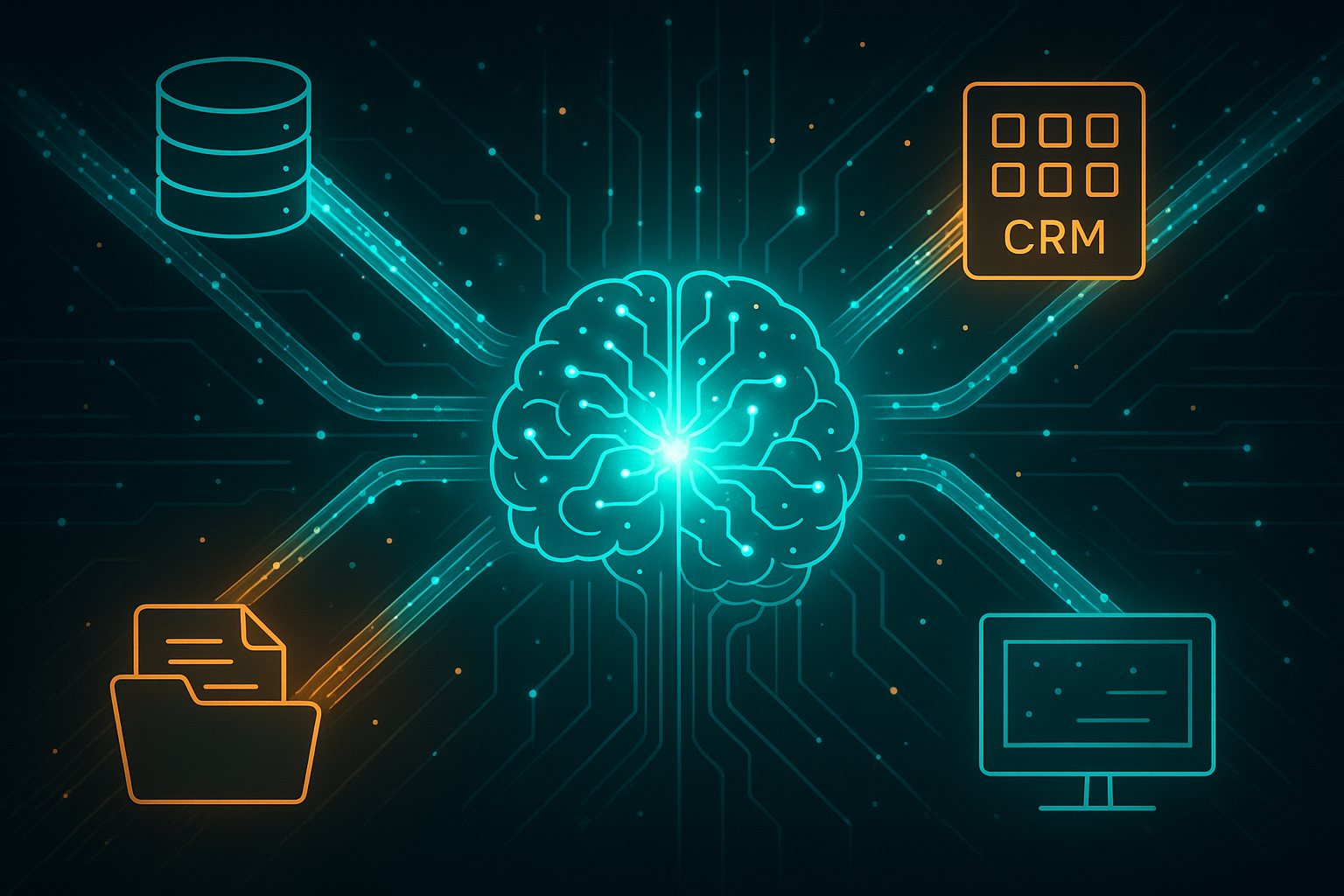
In 2026, leading implementations connect RAG pipelines directly to live sources:
- Internal databases and CRMs
- Regulatory update feeds
- Real-time market data
- Fresh document repositories
When your compliance team asks about the latest GDPR guidance, they get today’s interpretation—not last quarter’s snapshot.
Permission-Aware Retrieval
Here’s a challenge many teams underestimate: not everyone should see everything.
A RAG system that ignores document-level permissions is a security nightmare. Modern systems now filter retrieval results based on user access rights, ensuring your AI assistant doesn’t accidentally leak board meeting notes to the intern.
Domain-Specific AI: The Real Competitive Advantage
This is where Gartner’s insight becomes actionable. Generic RAG works reasonably well across many tasks. But organizations seeing the strongest results are those investing in domain-specific adaptations.
What Domain-Specific RAG Looks Like
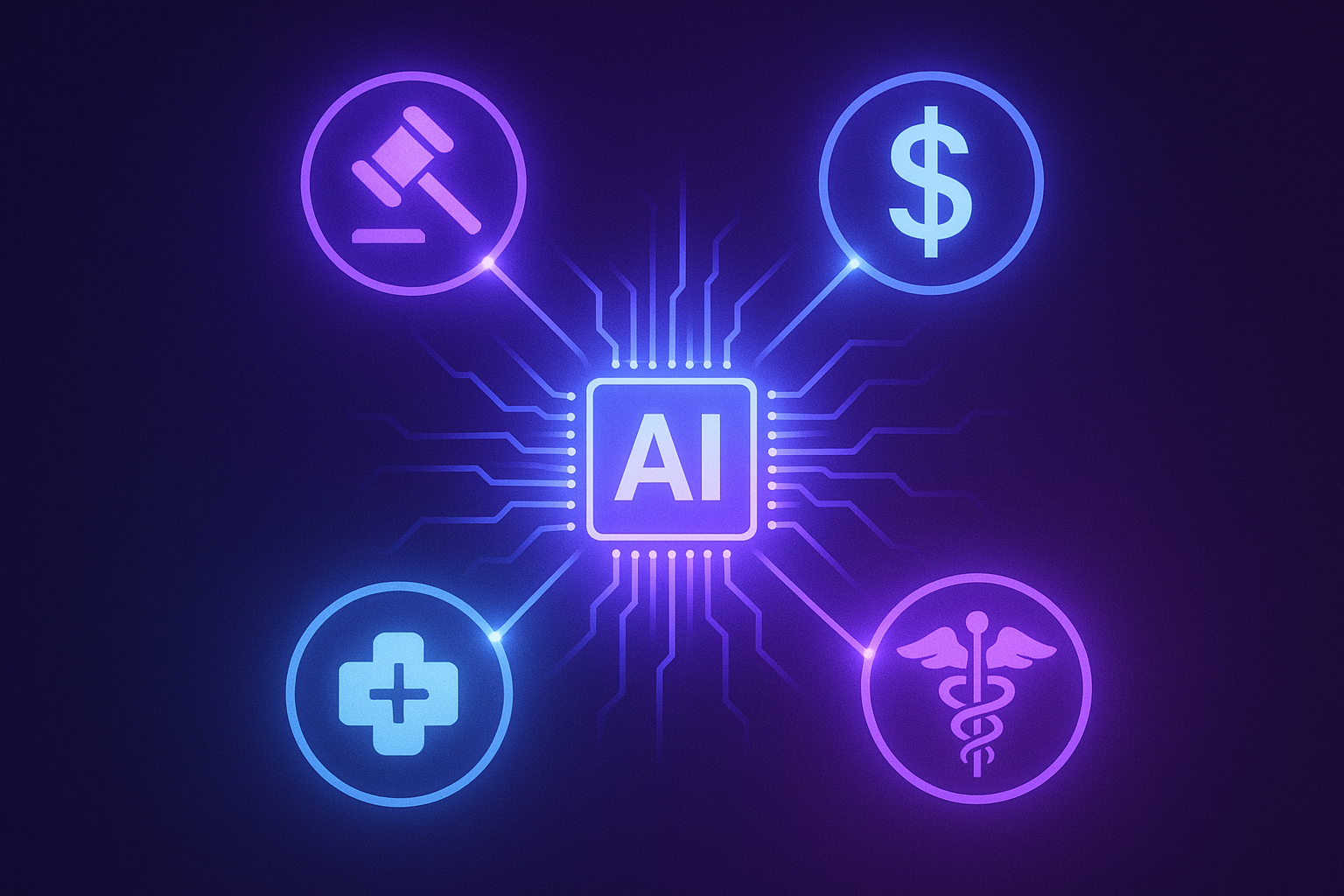
Legal RAG uses embeddings trained on legal corpora, understands case law citation patterns, and reasons about precedent differently than a general model.
Financial RAG knows the difference between GAAP and IFRS, understands quarterly reporting structures, and can trace figures back to source filings.
Healthcare RAG respects patient privacy constraints, understands clinical terminology hierarchies, and can distinguish between guidelines and requirements.
The common thread? These systems aren’t just retrieving better—they’re retrieving differently, with domain-appropriate ranking and filtering.
Why Generic LLM Wrappers Fail
The “wrap ChatGPT and add my documents” approach has three fatal flaws:
- No retrieval optimization — Generic embeddings miss domain-specific semantic relationships
- No context prioritization — All documents are treated equally, regardless of authority or recency
- No compliance awareness — No understanding of what information can be used where
A 2026 survey found that 67% of Fortune 500 companies have either deployed or are actively building domain-specific RAG systems. The generic wrapper approach is already being left behind.
The Business Case for RAG Investment
Cost: RAG vs. Fine-Tuning
| Approach | When It Works | Limitations |
|---|---|---|
| RAG | Dynamic knowledge, proprietary data, accuracy-critical tasks | Requires quality retrieval infrastructure |
| Fine-Tuning | Stable, domain-specific tasks where knowledge doesn’t change | Expensive, static, time-consuming |
| Prompt Engineering | Light use cases, prototypes | Limited depth, no factual grounding |
RAG is more flexible and cost-efficient than constant fine-tuning—especially when your knowledge base changes regularly.
The Hallucination Problem
Gartner’s emphasis on “structured retrieval pipelines to mitigate hallucination” isn’t theoretical. In production deployments:
- Without RAG: 15-25% hallucination rates in domain-specific queries
- With basic RAG: 5-10% hallucination rates
- With optimized domain-specific RAG: Under 2%
For enterprises in regulated industries, that difference isn’t just convenient—it’s the difference between deployment and legal liability.
Implementing RAG: Practical Considerations
Start With Your Highest-Value Use Case
Don’t try to RAG-enable everything at once. Pick a use case where:
- Knowledge changes frequently
- Accuracy is critical
- Users currently struggle to find information
- You have a clear success metric
Invest in the Data Layer
Teams building successful RAG systems spend as much time on data infrastructure as on the model layer. This means:
- Document preprocessing pipelines
- Metadata extraction
- Freshness scoring
- Access control integration
Measure Retrieval Quality, Not Just Generation Quality
Many teams obsess over the LLM’s output quality while ignoring retrieval. If you’re retrieving the wrong documents, even the best LLM can’t save you. Track:
- Retrieval precision and recall
- Mean reciprocal rank
- Context relevance scores
What This Means for Your AI Strategy
Gartner’s prediction isn’t a distant future—it’s happening now. Organizations that wait to build RAG capabilities will find themselves:
- Stuck with inaccurate AI that users don’t trust
- Paying for expensive fine-tuning cycles instead of retrieval updates
- Losing to competitors with domain-specific AI advantages
The shift from model-centric to data-centric AI is one of the defining transformations of the decade. RAG isn’t just a technique—it’s an architecture choice that reshapes how enterprises operationalize knowledge.
At Virge, we help organizations build production-ready RAG systems that leverage their unique data advantages. Whether you’re evaluating RAG for the first time or looking to optimize an existing implementation, let’s talk.